How to Build Strong Financial Foundations for Your Business (Without Hiring a Full-Time Finance Team)
Learn how startups and small businesses can manage accounting, FP&A, budgeting, and financial reporting effectively without hiring a full-time finance team. Practical guide for global businesses.

Managing finance is one of the biggest challenges for startups and growing businesses. Many founders focus on sales, product, and operations — but often overlook financial structure, reporting, and planning.
The reality is:
👉 Poor financial management can slow growth, reduce profitability, and create compliance risks.
The good news?
You don’t need a full-time finance team to build strong financial foundations.
1. Start With Clean & Accurate Accounting
Before anything else, your accounting must be:
- Accurate
- Updated regularly
- Properly categorized
Tools like:
- QuickBooks
- Xero
- Zoho Books
help streamline bookkeeping, but tools alone are not enough.
👉 What matters is:
- Proper setup
- Consistent reconciliation
- Clean financial records
Without this, even basic decisions become difficult.
📈 2. Understand Your Financial Reports
Many businesses generate reports but don’t actually use them.
The three most important reports are:
- Profit & Loss (P&L) → Are you making money?
- Balance Sheet → What do you own vs owe?
- Cash Flow Statement → Is cash moving correctly?
👉 These reports help you:
- Track performance
- Identify risks
- Make better decisions
📉 3. Budgeting & Forecasting (FP&A)
Financial Planning & Analysis (FP&A) is where real business clarity comes in.
It helps answer:
- How much should you spend?
- What revenue should you expect?
- Are you on track?
👉 Benefits:
- Better decision-making
- Controlled expenses
- Future planning
Even a simple monthly forecast can transform your business.
⚙️ 4. Streamline Processes (Don’t Do Everything Manually)
Many businesses still rely on:
❌ Manual Excel work
❌ Repetitive tasks
❌ Delayed reporting
This leads to:
- Errors
- Time loss
- Inefficiency
👉 Solution:
- Automate invoicing
- Automate reporting
- Use workflows
This is where AI and automation can significantly help.
🌍 5. Consider Outsourced Finance Support
Hiring a full-time finance team is expensive.
Instead, many global businesses now use:
👉 Controller-as-a-Service / Outsourced Accounting
This gives you:
- Expert guidance
- Cost efficiency
- Flexibility
You get the same expertise — without full-time cost.
🚨 6. Common Mistakes to Avoid
- Not reconciling accounts regularly
- Ignoring cash flow
- No budgeting
- Delayed financial reporting
- Over-reliance on manual work
👉 These small issues become big problems over time.
🎯 Final Thoughts
Strong financial management is not just about compliance —
it’s about clarity, control, and growth.
Whether you are a startup or a growing business:
👉 Clean accounting + proper reporting + planning = better decisions
Image Gallery


Related Insights

At Kochi with Jobin & Jismi
Transforming finance isn't just about technology—it's about aligning people, processes, controls, and vision
Read More
AT EY Office with Risk Team
Had a wonderful and enriching workshop today at EY office! Grateful to everyone who took out time to attend and actively participate in the session. It was great exchanging thoughts on finance operations, process improvements, compliance, and practical industry challenges.
Read More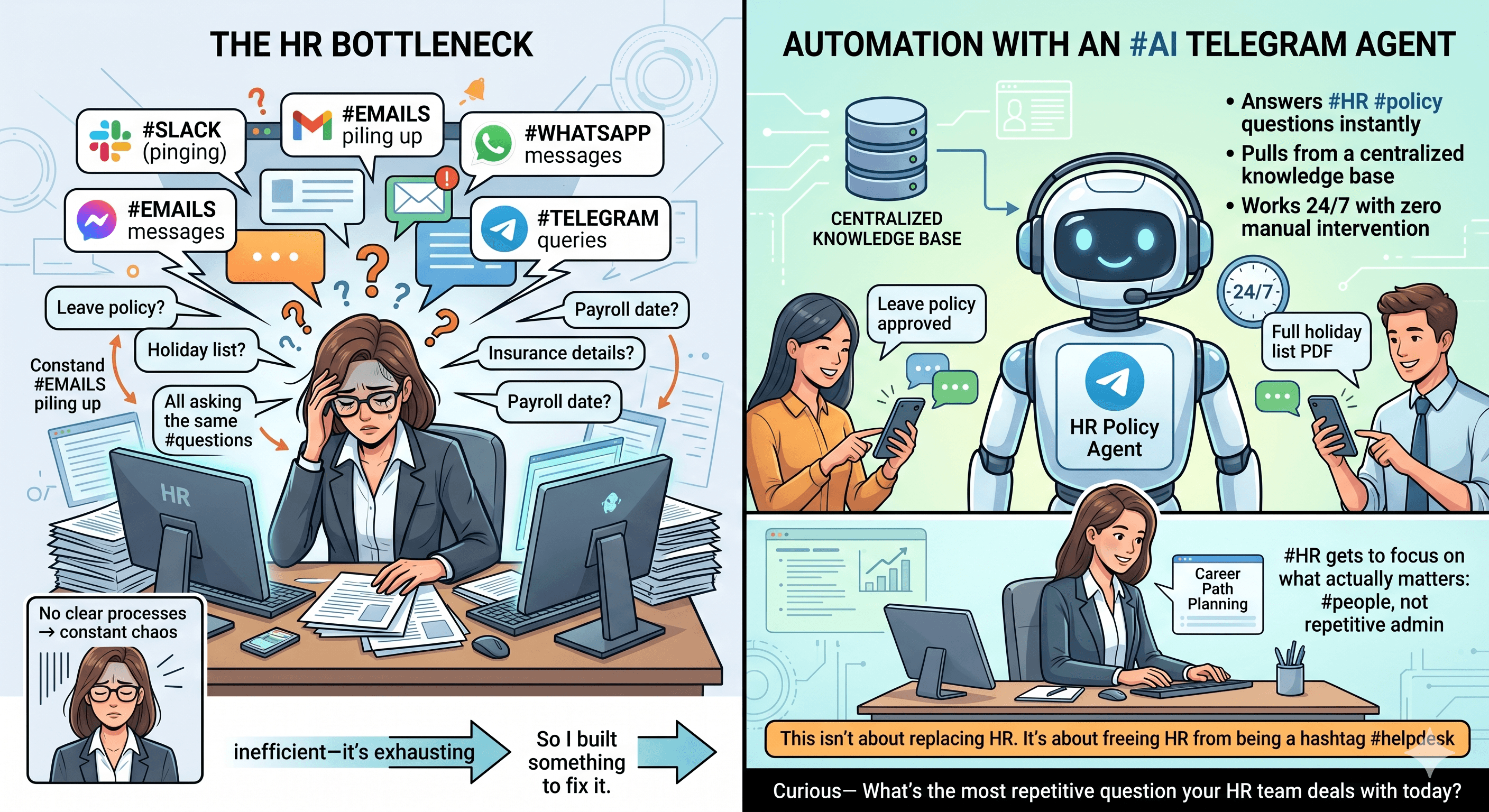
Automation in HR operations
Automating HR operations using Telegram https://www.linkedin.com/feed/update/urn:li:activity:7456033226130657281/
Read More